










Follow the thickness
Two pieces with the same name can cook differently when one is thicker. Judge and portion the fish in front of you rather than using a fixed time from this guide.
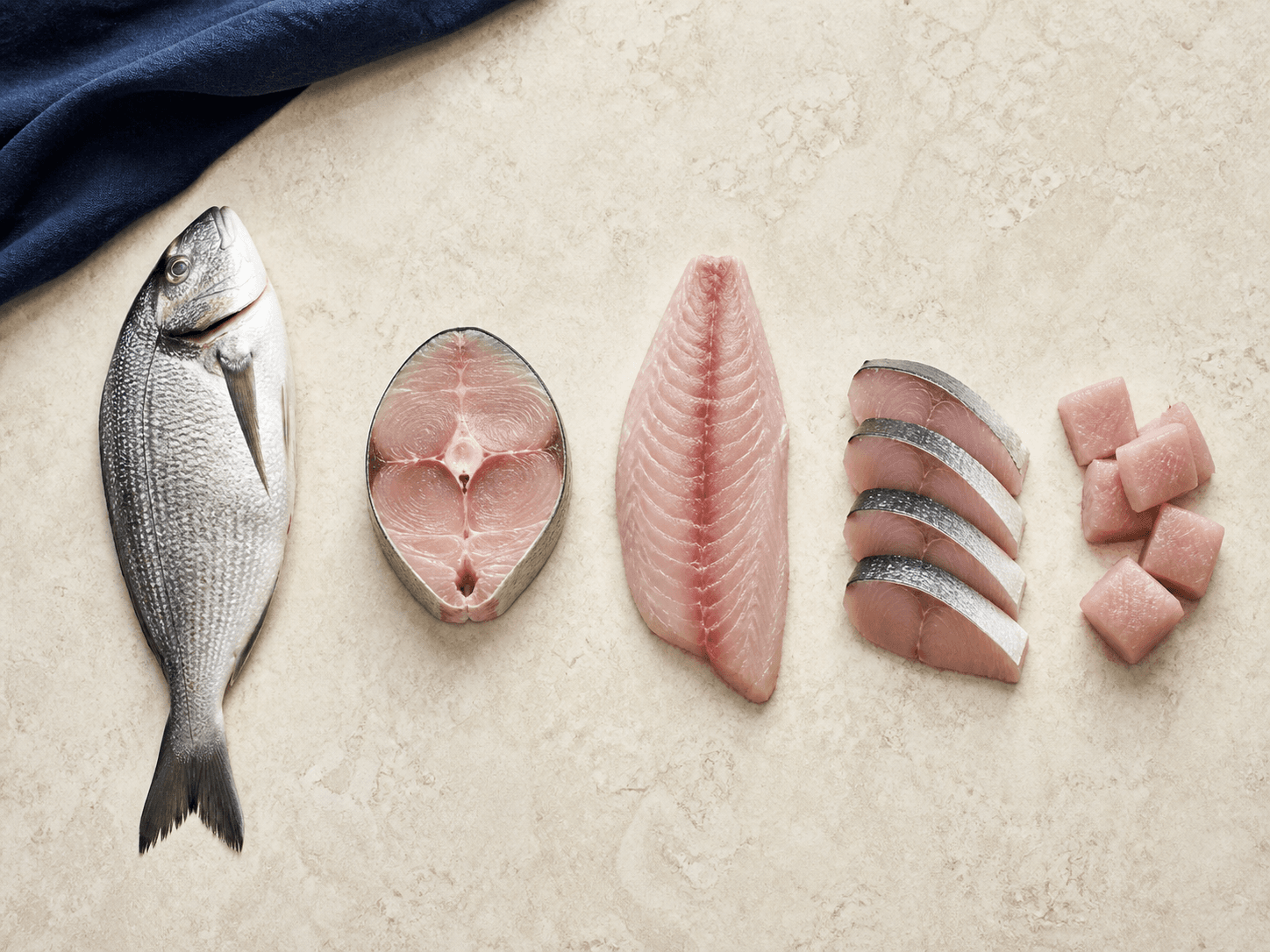
Whole fish selections, steaks, fillets, slices, cubes each suit a different kind of meal. Start with the format you want to handle, then choose a cooking method that fits its thickness and shape.
Meet the fish
Use the format—not an assumed flavour profile—to narrow the catalogue. Each comparison column shows one exact bilingual product label, the formats available across that catalogue group and a practical first cooking route.
Scroll sideways to compare the options
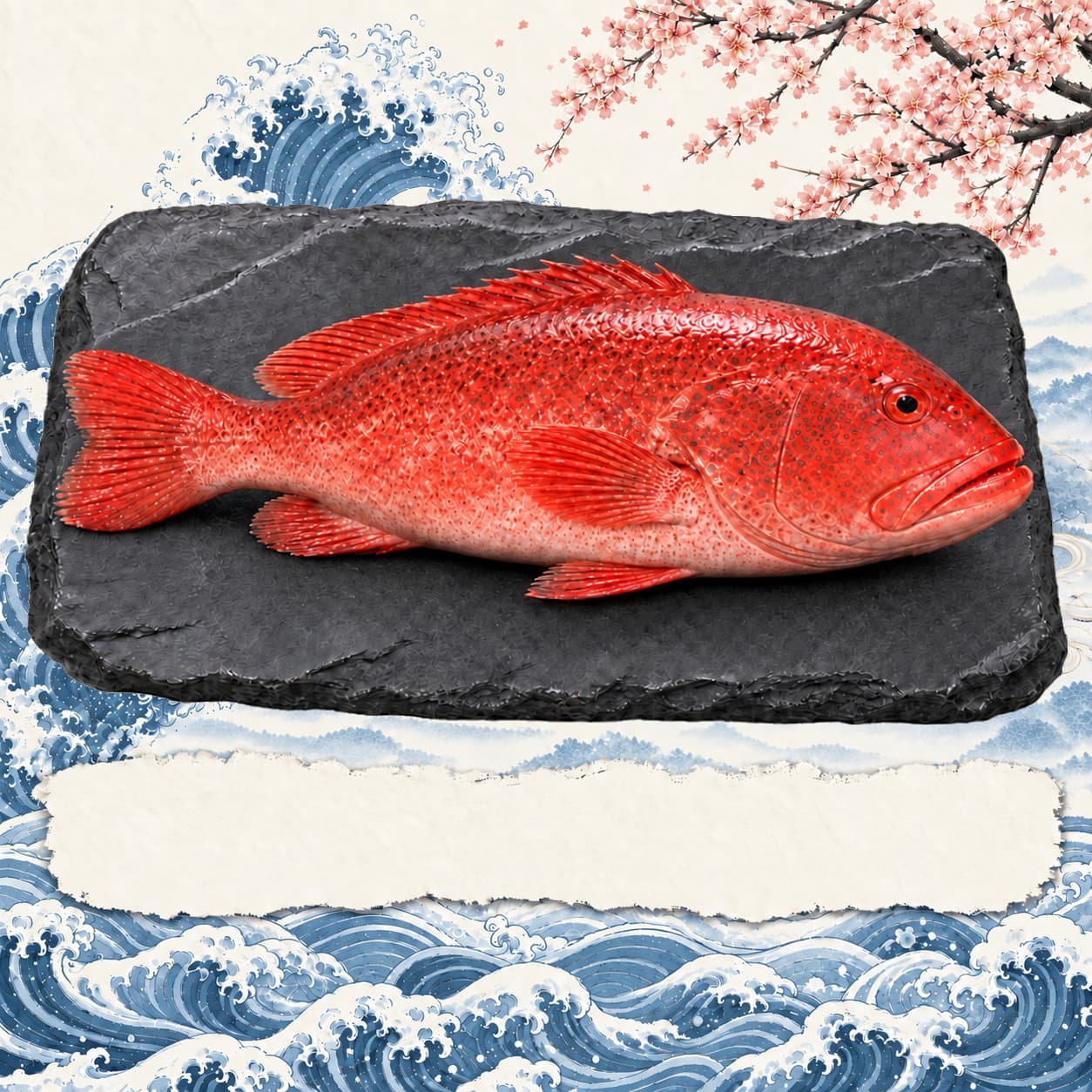 Grouper | 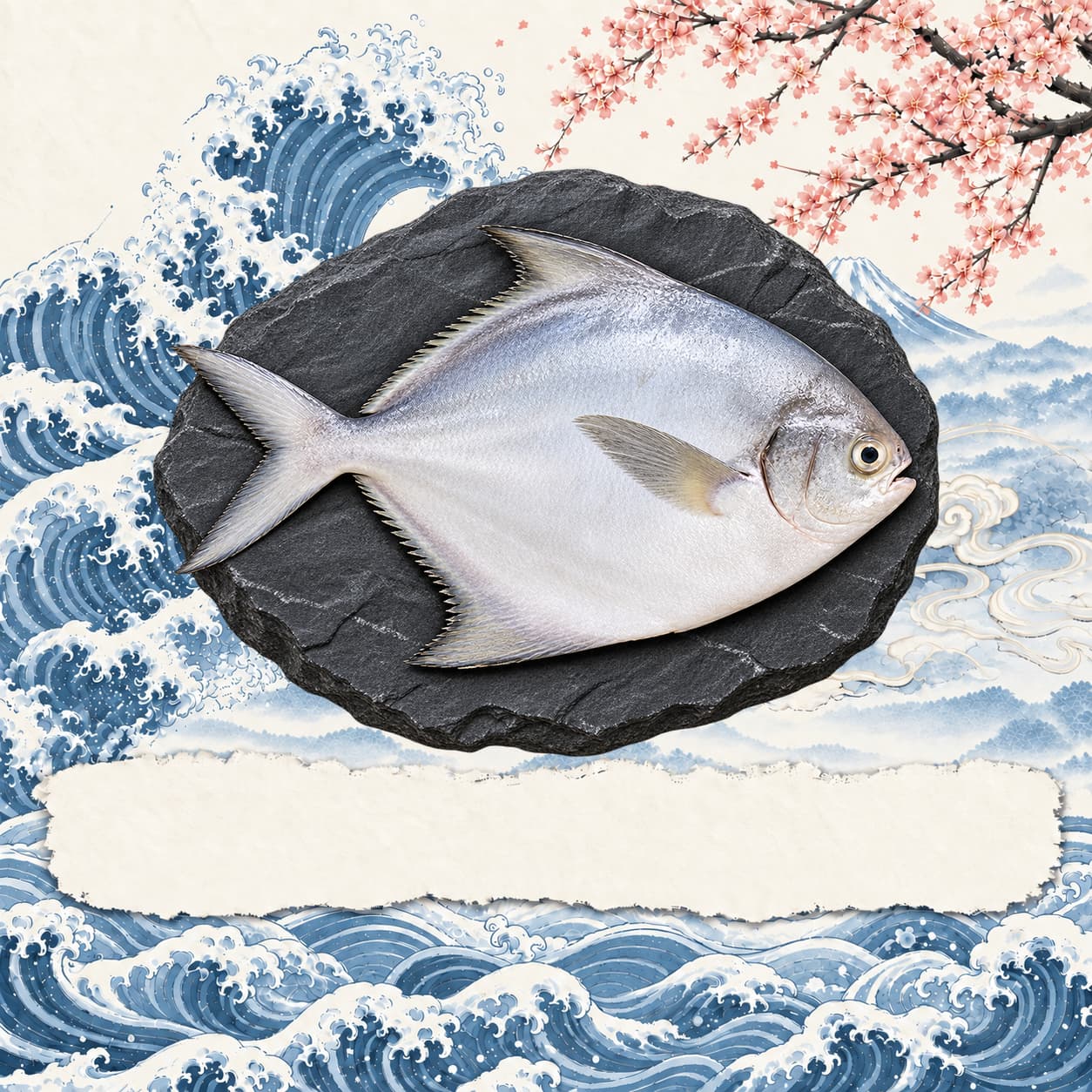 Pomfret | 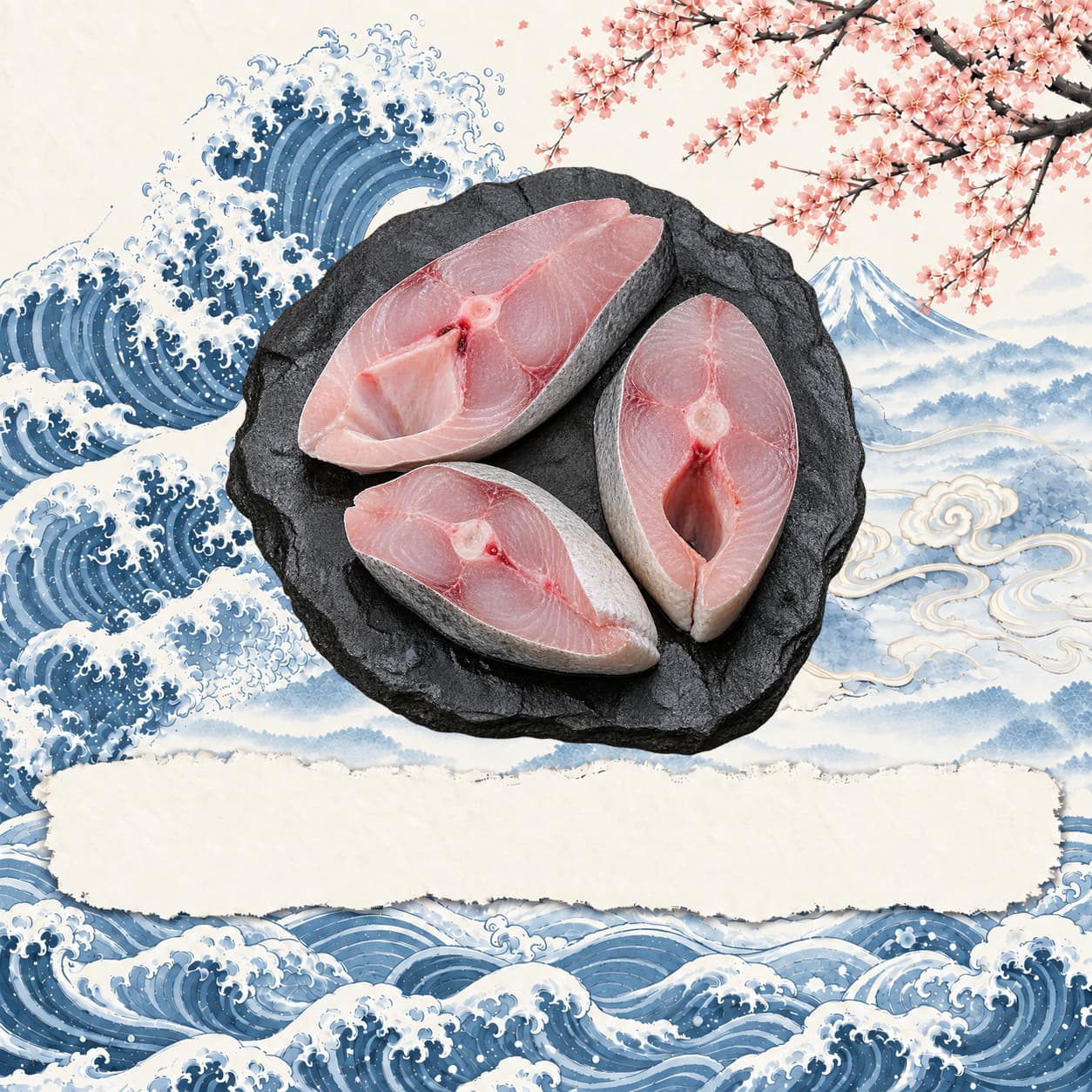 Threadfin | 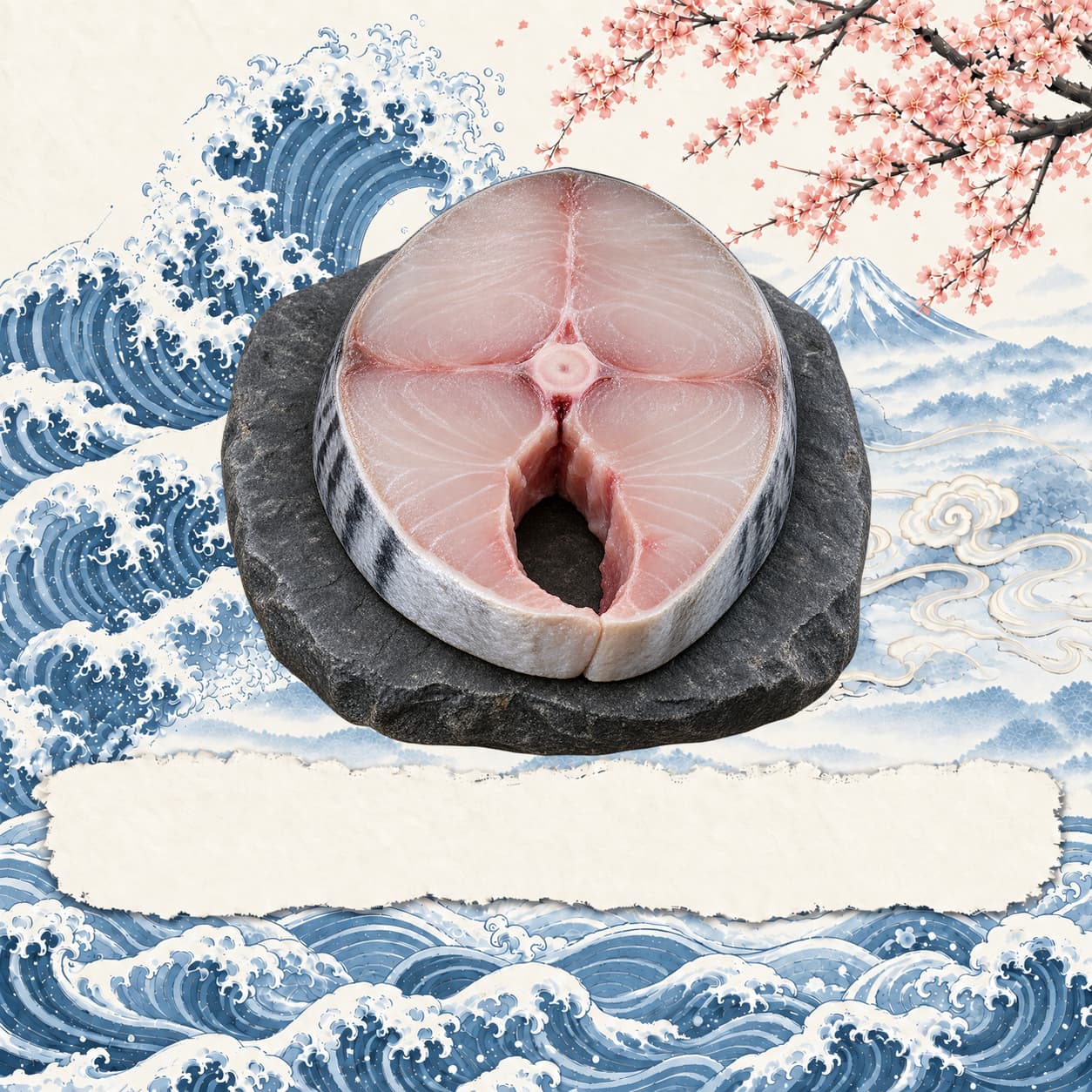 Batang | 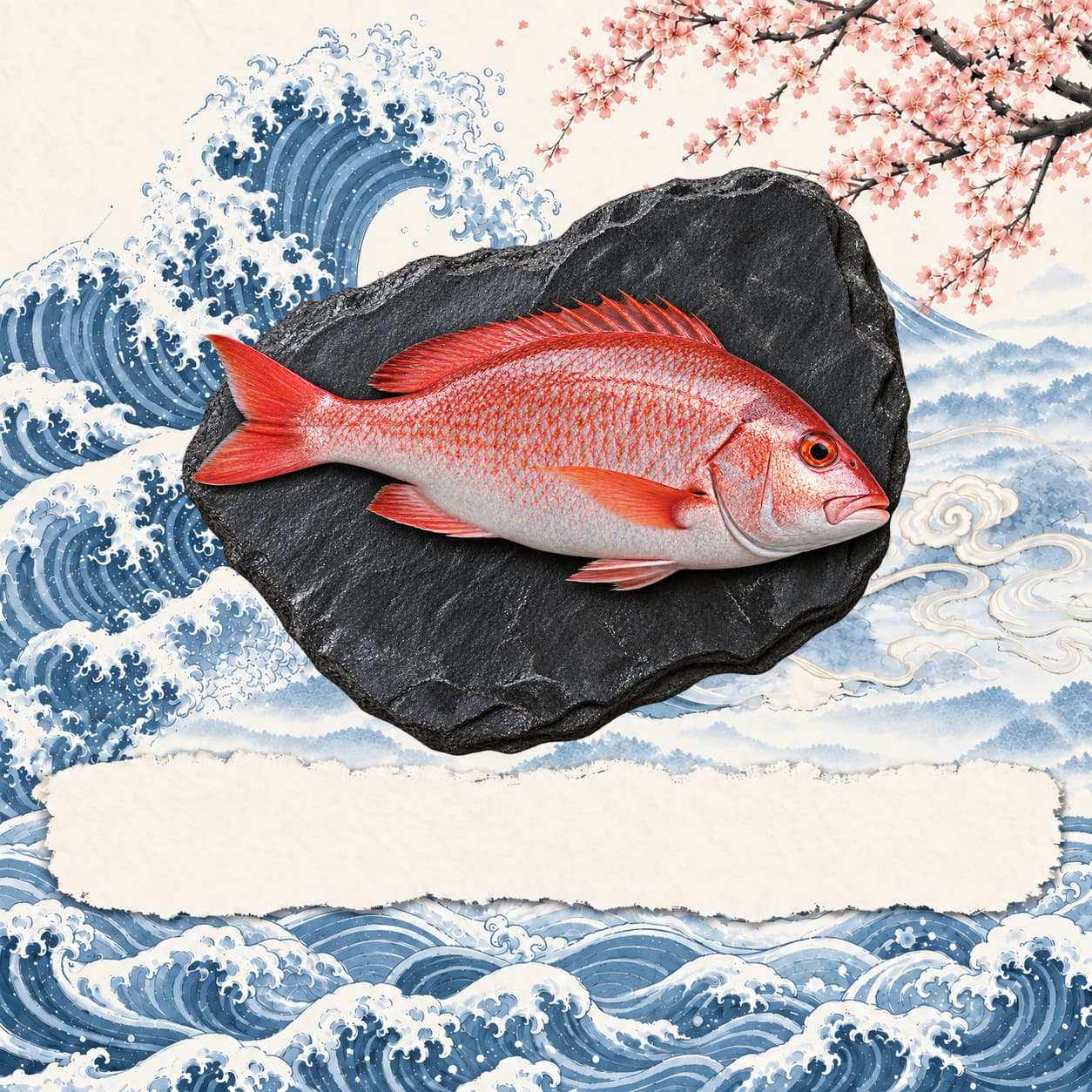 Snapper & Emperor | |
|---|---|---|---|---|---|
| Serving idea | 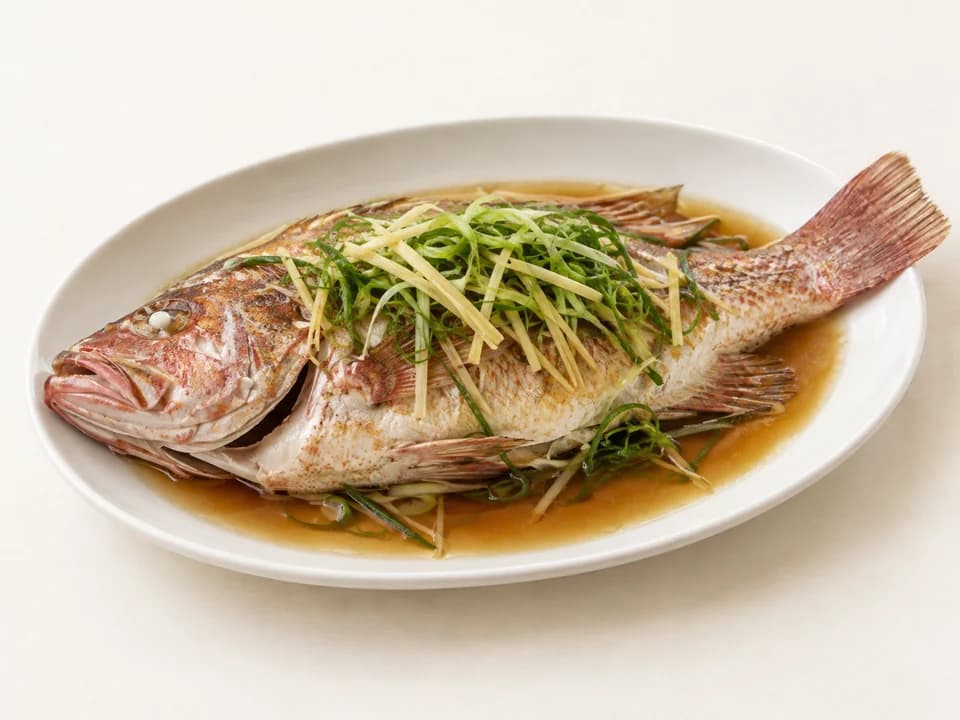 |  |  |  |  |
| Best fit | You want one fish group with a choice between a shared centrepiece, an individual fillet or ready-cut slices for a broth dish. | Choose a whole pomfret for sharing. Chinese, White and Black Pomfret keep their separate catalogue labels. | You want the same catalogue fish name in three serving styles: whole fish for sharing, steak for direct heat or fillet for easy plating. | You want the broadest everyday format choice: whole fish, steak, fillet or frozen slices, selected according to the dish. | You want a fresh whole fish selection for steaming, roasting or grilling. Red Snapper and Red Emperor remain separate catalogue labels. |
| Available formats | Red, Hybrid and Rat Grouper fresh selections; Red and Hybrid fillets; separately listed fresh and frozen slices | Fresh whole fish selections; check each product for its weight options | Fresh fixed-weight selections and approximately 500 g fresh steak or fillet packs | Fresh fish selections, approximately 500 g fresh steak and fillet packs, and separate fresh and frozen slice listings | Fresh whole fish; check the selected listing for size choices and preparation |
| Start cooking with |
Steam, roast or grill a fresh selection; steam, pan-fry or bake a fillet; use slices in soup, hotpot or porridge. |
Steam, bake, roast or pan-fry a whole fish selection according to the fish size and your cooking equipment. |
Steam or roast a fresh selection, pan-fry or grill a steak, and steam, pan-fry or bake a fillet. |
Steam, roast or grill the fresh selection; pan-fry or grill the steak; steam or bake the fillet; add slices to soup or porridge. |
Begin with steaming, baking or roasting, or grilling, then adjust for the selected fish size. |
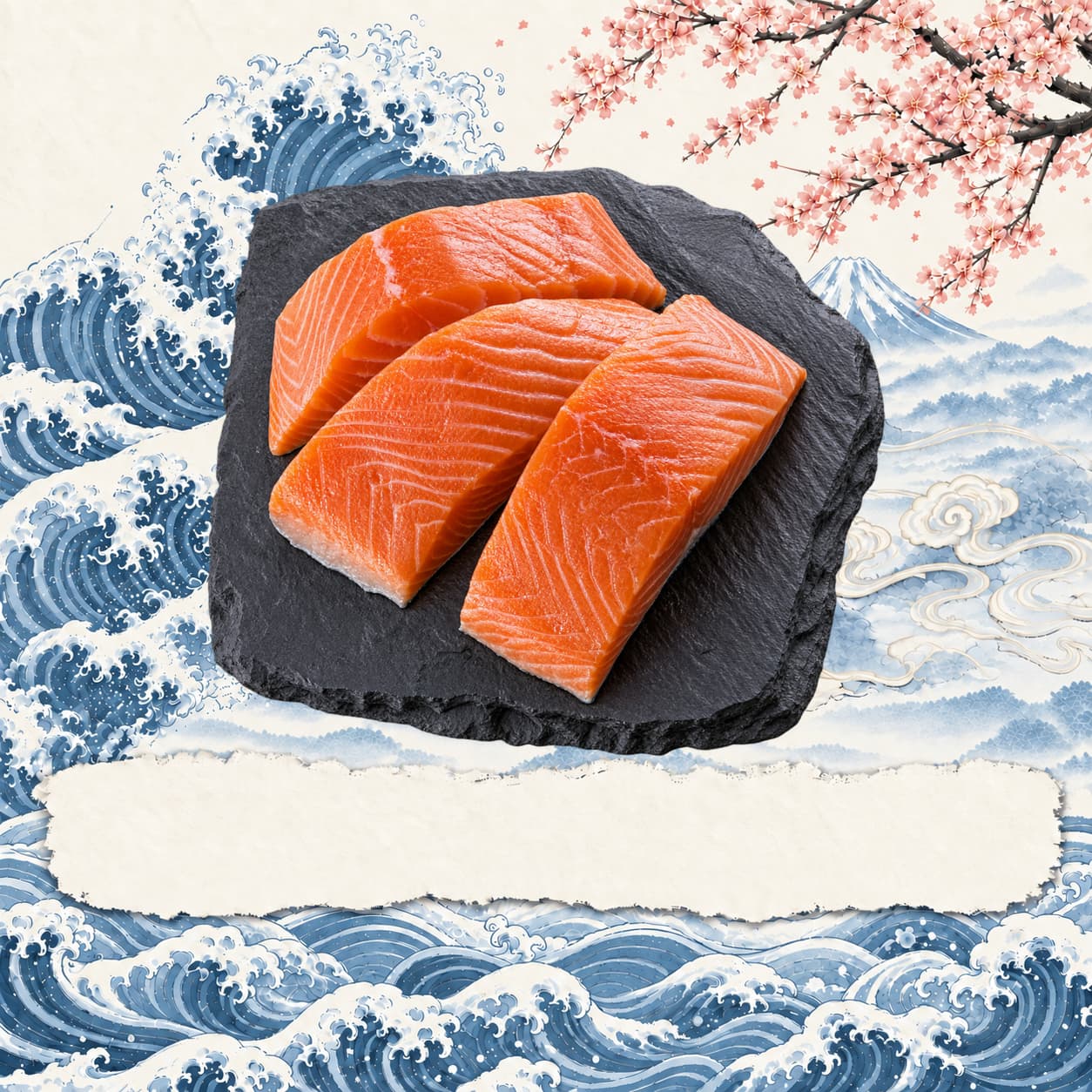 Salmon | 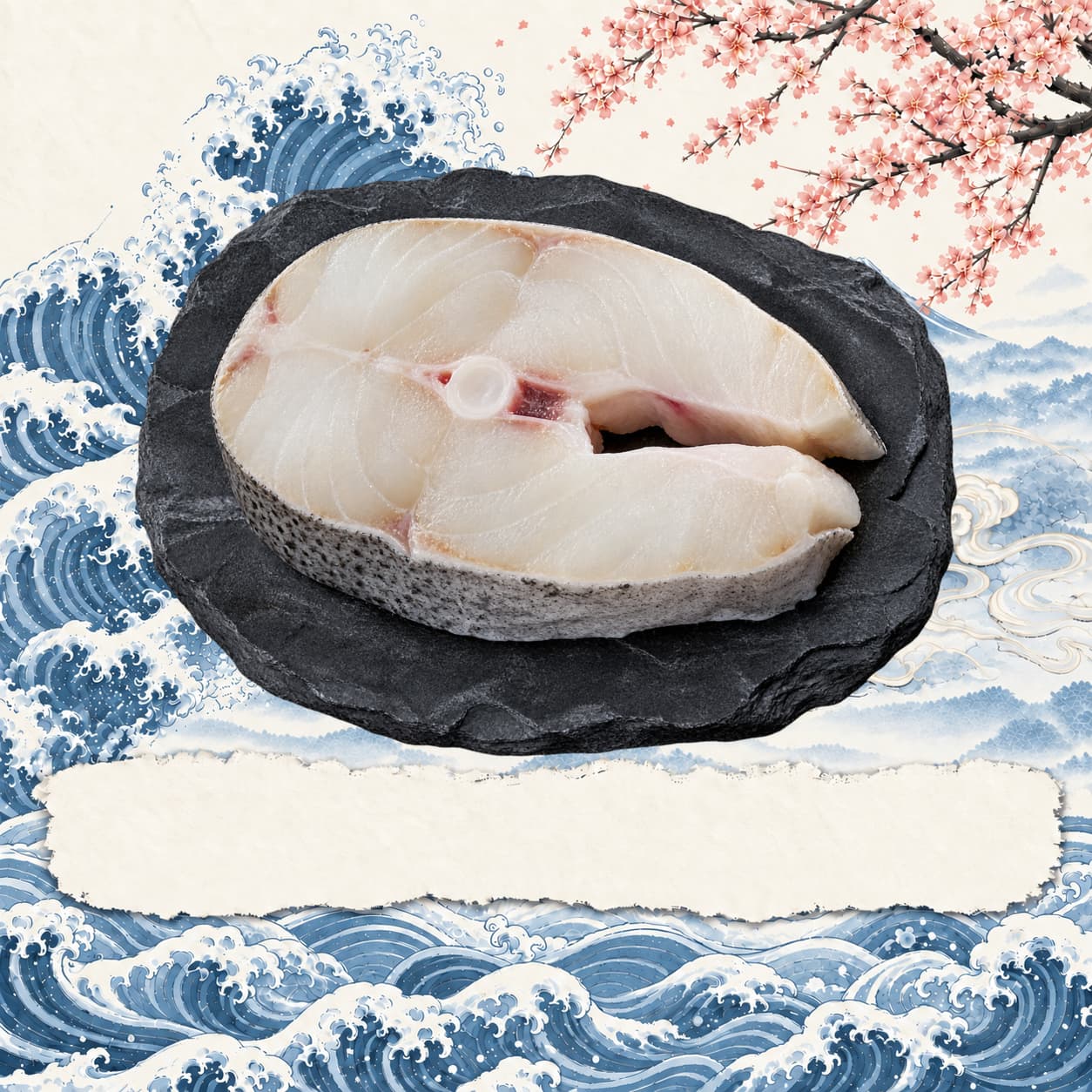 Cod & Black Cod | 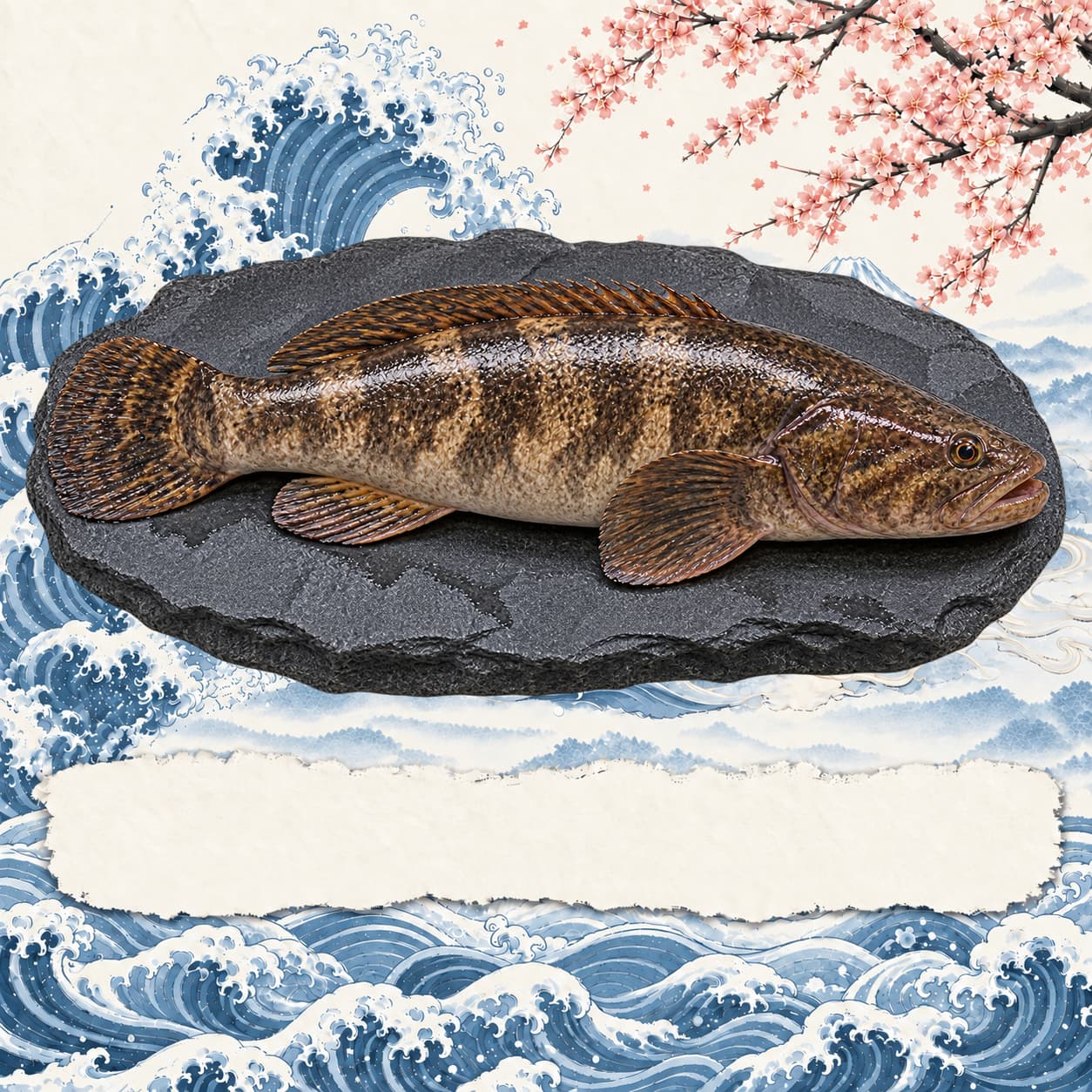 Live Marble Goby / Soon Hock | |
|---|---|---|---|
| Serving idea |  |  |  |
| Best fit | You want either ready-divided portions for individual plates or one whole-side fillet to roast, serve or portion yourself. | You want a frozen cut matched closely to the dish: steak for structure, fillet for plating, or cubes for mixed dishes. | You want a live whole-fish selection, will choose a size band and plan to cook it only after safe preparation. |
| Available formats | 500 g fillet portions or a whole-side fillet pack | 200–500 g frozen packs across steak, fillet and cube formats | Whole live-fish listing with five selectable weight bands |
| Start cooking with |
Pan-fry, bake or grill individual portions; bake or roast the whole side, or divide it into portions first. |
Pan-fry, roast or braise a steak; steam or bake a fillet; use cubes in soup, hotpot, curry or braises. |
Whole-fish steaming is the clearest format-based starting point after the fish has been safely prepared for cooking. |
Side by side
These formats group the cuts currently listed by SeaBaeHo. Product pages remain the source of truth for exact pack size, preparation and availability.
Scroll sideways to compare the options
Fresh fish selections | Steaks | 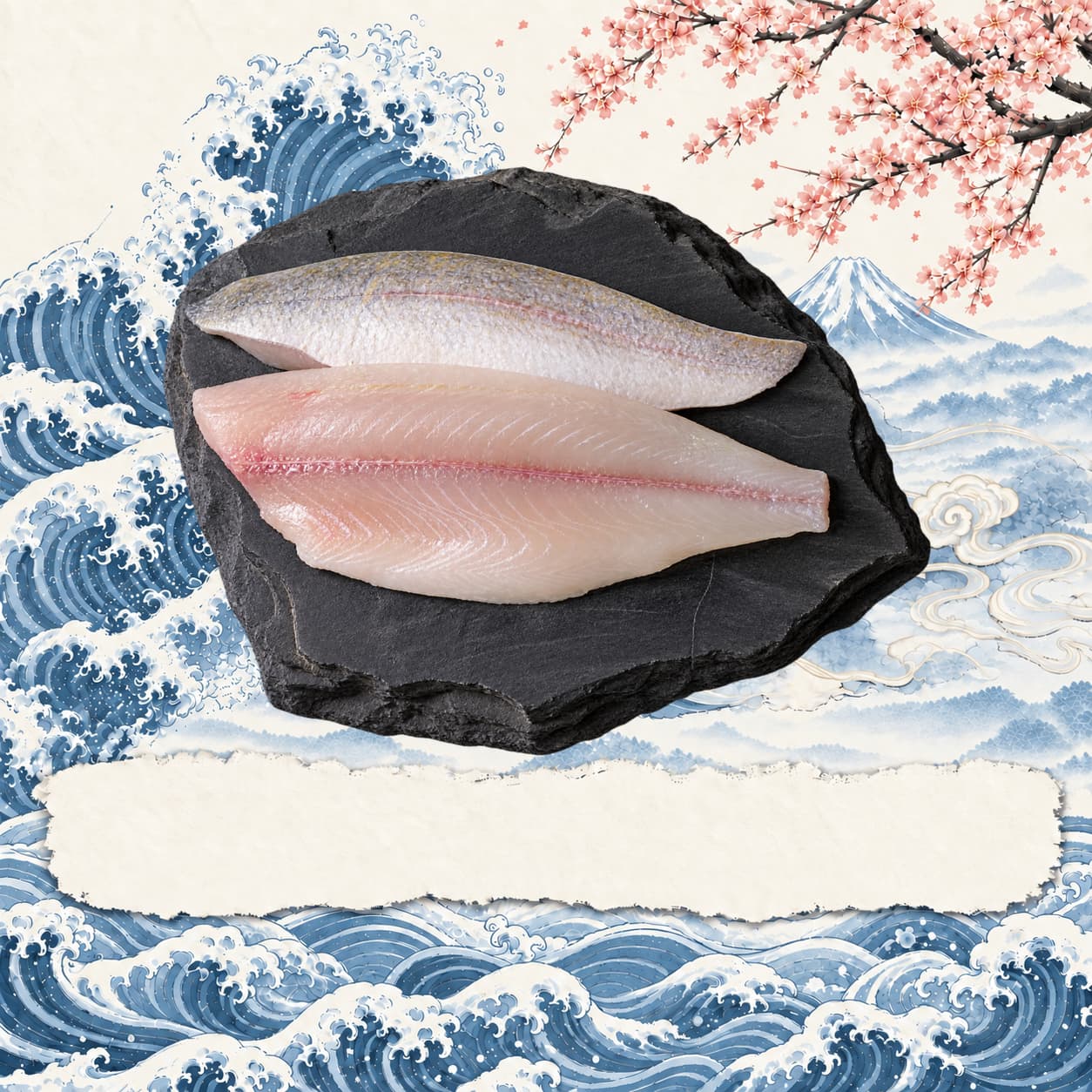 Fillets & portions | 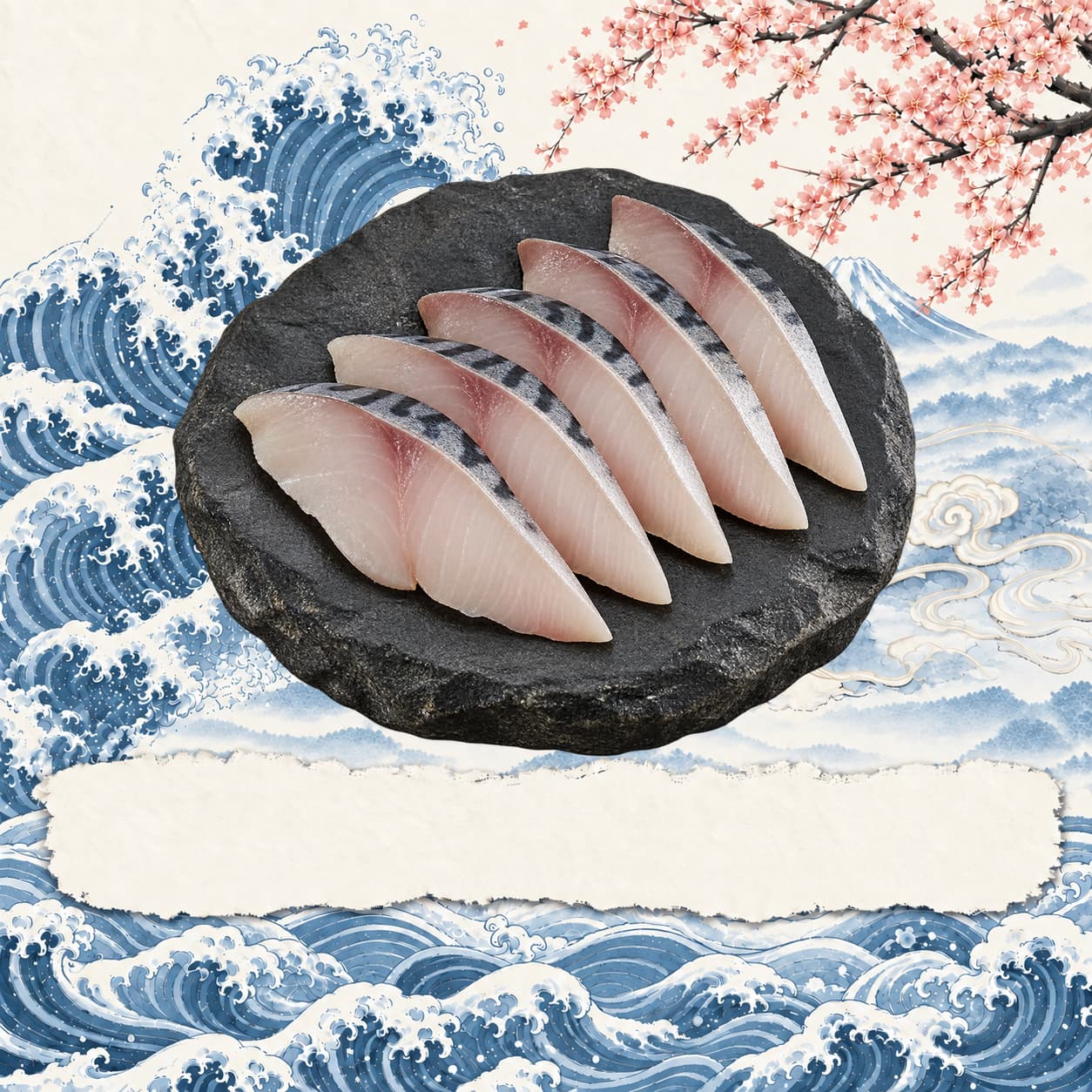 Slices | 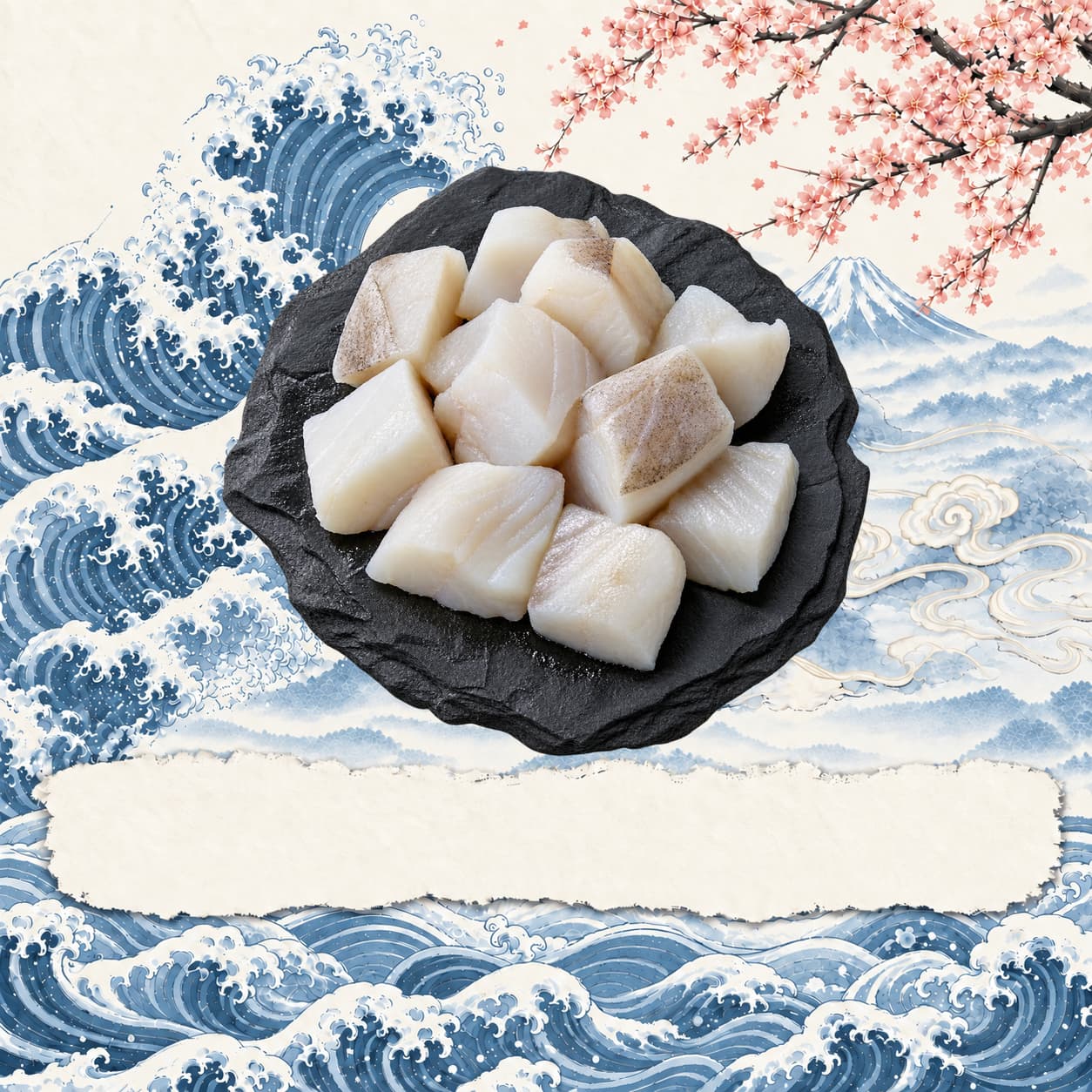 Cubes | |
|---|---|---|---|---|---|
| Serving idea | |  |  | | 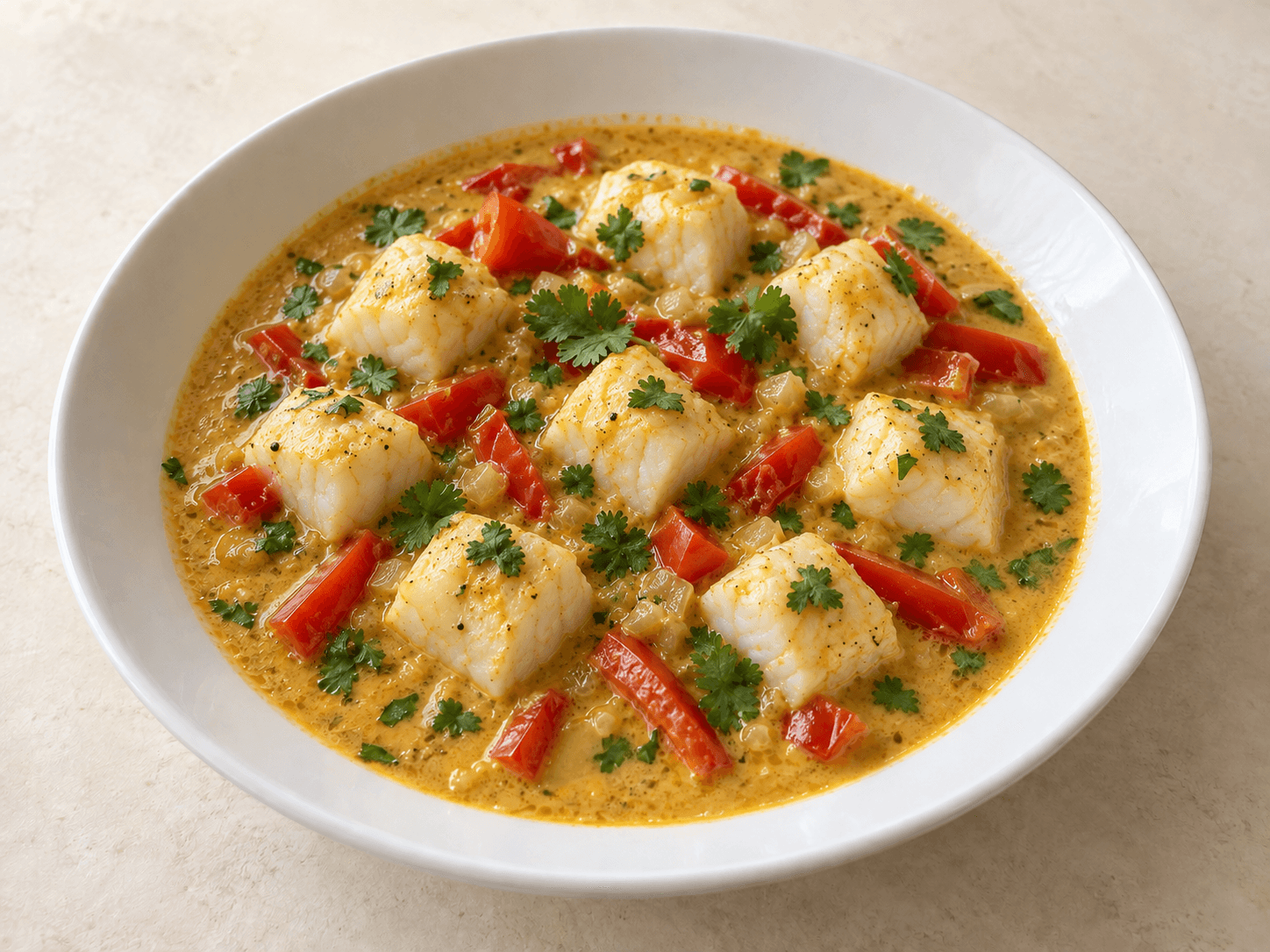 |
| Best fit | Named fresh fish offered in set weight selections for a centrepiece or shared dish. You want to present the fish as the centre of a shared meal | Thicker cross-cut portions that keep a defined shape; bone presence depends on the product listing. You want substantial portions that are easy to arrange individually | Fresh and frozen fillet formats for steaming, direct heat or dividing into individual servings. You want a plated portion or a cut that can be divided before cooking | Pre-sliced frozen fish suited to dishes where smaller pieces cook in broth or sauce. You want smaller pieces ready for a quick or broth-based shared dish | Pre-cut frozen pieces made to distribute through curries, soups, stews and hotpot. You want bite-size fish with little cutting before it enters the dish |
| Available formats | An uncut fish listing; confirm cleaning and preparation with SeaBaeHo Commonly 500 g, 1 kg or 1.5 kg selections Red Grouper, Hybrid Grouper, pomfret, snapper and threadfin | Cross-cut portions; the frozen Cod Steak is explicitly listed as bone-in Fresh Batang and Threadfin steaks are about 500 g; frozen Cod Steak is 500 g Batang Steak, Threadfin Steak and Cod Steak | Fillet, tail, portion or whole-side formats; check each listing for boneless status From 200–500 g packs, plus a fixed-price whole Salmon side whose weight may vary Grouper Fillets, Batang Fillet, Threadfin Fillet, Cod Fillet and Salmon | Frozen fish slices packed for portioning into a shared dish Separate fresh slice selections and frozen Batang, Red Grouper or Hybrid Grouper packs; check each listing for the pack weight Batang, Red Grouper and Hybrid Grouper slices | Small boneless cubes 500 g packs in the current Cod range Cod Cubes |
| Start cooking with |
Steam, bake or roast, and grill or BBQ Confirm scaling and gutting, then season for the chosen method and cook thoroughly |
Pan-fry, grill or BBQ, bake or roast, and curry or braise Thaw frozen packs as directed, check for bones and cook the thickest area thoroughly |
Steam, pan-fry, bake or roast, and grill Thaw when required, check for remaining bones and portion by thickness before cooking |
Soup, hotpot, porridge and quick braises Thaw as directed, separate gently and add so the slices cook through without excessive handling |
Soup or hotpot, curry or braise, and baked mixed dishes Thaw as directed, spread pieces evenly and cook the cubes thoroughly |
In your kitchen
Two pieces with the same name can cook differently when one is thicker. Judge and portion the fish in front of you rather than using a fixed time from this guide.
Keep fresh fish chilled, keep frozen fish frozen until needed and follow the pack directions when thawing.
Confirm whether a product is scaled, gutted, bone-in or boneless before choosing tools and serving it.
Sources & safety
Cook fish thoroughly and prevent raw seafood from contacting cooked or ready-to-eat food. FoodSafety.gov lists 63°C / 145°F as the safe minimum internal temperature for fish; measure at the thickest part and follow current product and preparation instructions. This is general kitchen guidance, not dietary or medical advice.